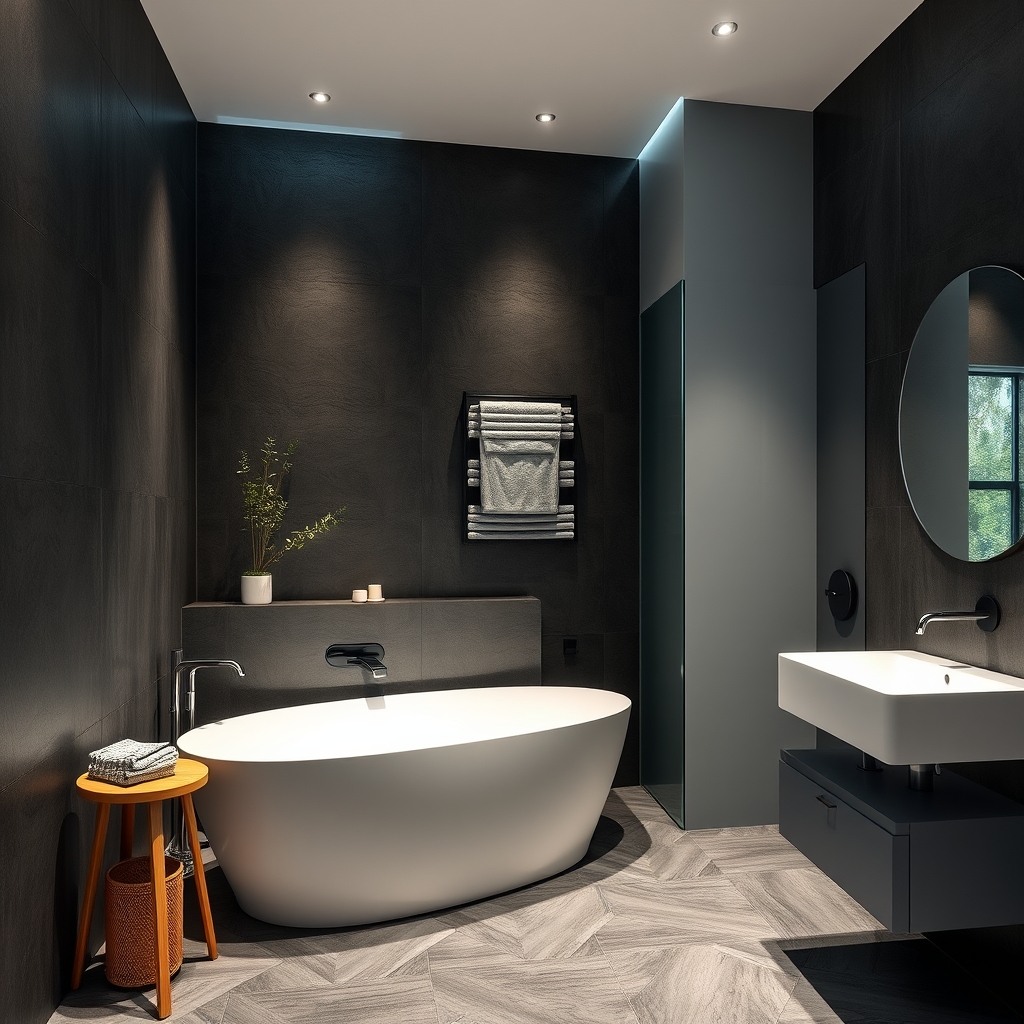
Bathroom Renovation Sydney: Transform Your Space with Expert Design and Quality Craftsmanship
Learn more about Bathroom Renovation Sydney and how it applies to your specific needs.
Renovating a bathroom is one of the most impactful home improvement projects you can undertake. In a vibrant city like Sydney, where property values are high and lifestyle expectations are even higher, a well-executed can dramatically enhance both the functionality and aesthetic appeal of your home. Whether you are updating a tired ensuite, modernising a family bathroom, or creating a luxurious master retreat, the process requires careful planning, skilled tradespeople, and a clear vision. This comprehensive guide explores every aspect of bathroom renovation in Sydney, from initial design concepts to final finishing touches, ensuring you achieve a result that is both beautiful and durable.
Learn more about Bathroom Renovator and how it applies to your specific needs.
Many homeowners underestimate the complexity of a bathroom renovation. It involves plumbing, electrical work, waterproofing, tiling, cabinetry, and lighting — all of which must be coordinated seamlessly. Hiring a professional is often the smartest investment you can make. These experts bring years of experience, access to quality materials, and the ability to navigate local council regulations. In Sydney’s competitive housing market, a renovated bathroom can increase your home’s resale value significantly, often recouping a large percentage of the cost. Beyond financial returns, a fresh, well-designed bathroom enhances your daily routine, providing a sanctuary where you can unwind and recharge.
Planning is the cornerstone of any successful renovation. Before you pick up a hammer, take time to assess your needs, budget, and style preferences. Consider how many people will use the bathroom, the storage requirements, and any accessibility needs. For instance, a family bathroom might prioritise durability and easy cleaning, while a master ensuite could focus on luxury features like a freestanding tub or rain shower. Once you have a clear brief, work with a designer or renovator to create a layout that maximises space and flow. In Sydney’s often compact apartments and terraces, clever storage solutions and space-saving fixtures are essential.
Understanding the Cost of Bathroom Renovation in Sydney
Cost is one of the first questions homeowners ask. A typical bathroom renovation in Sydney can range from $15,000 to $40,000 or more, depending on the size, scope, and quality of materials. The largest expenses are usually plumbing, tiling, and cabinetry. Labour costs in Sydney are relatively high, but this reflects the skill and expertise required. It is crucial to set a realistic budget and include a contingency of at least 10-15% for unexpected issues, such as water damage or structural problems uncovered during demolition.
To keep costs manageable, prioritise your must-haves. For example, you might choose to keep the existing plumbing layout to avoid costly pipe relocation. Alternatively, investing in high-quality waterproofing and fixtures can save money in the long run by preventing leaks and repairs. When selecting materials, consider both aesthetics and durability. Porcelain tiles are a popular choice for floors and walls in Sydney bathrooms due to their water resistance and wide range of styles. Natural stone adds luxury but requires more maintenance. Discuss your budget openly with your to find the best balance between cost and quality.
Design Trends for Sydney Bathrooms
Sydney homeowners are increasingly embracing minimalist, spa-like designs that create a sense of calm and openness. Neutral colour palettes — whites, greys, beiges — dominate, often accented with natural textures like timber vanities or stone benchtops. Large-format tiles with minimal grout lines are popular for their sleek look and easy maintenance. Another trend is the use of matte black or brushed brass fixtures, which add a touch of sophistication without being overly flashy.
Smart technology is also making its way into bathrooms. Heated floors, smart mirrors with integrated lighting and defoggers, and digital shower systems that allow you to control temperature and flow from your phone are becoming more common. These features not only enhance comfort but can also improve energy efficiency. For those undertaking a full project, coordinating the bathroom design with the rest of the home ensures a cohesive look. Whether you prefer contemporary, traditional, or a blend of styles, your bathroom should reflect your personal taste while remaining functional.
Choosing the Right Materials for Durability and Style
Selecting the right materials is critical for a bathroom that stands the test of time. Water and moisture are constant challenges, so every surface must be chosen with care. Porcelain and ceramic tiles remain the top choices for walls and floors due to their durability and water resistance. For a more luxurious feel, consider natural stone like marble or travertine, but be aware that they require sealing and regular maintenance. Engineered stone benchtops offer the look of natural stone with greater stain resistance.
Vanities and cabinetry should be made from moisture-resistant materials, such as marine plywood or high-density fibreboard with a waterproof coating. Soft-close hinges and drawers add a touch of quality. When it comes to fixtures, look for solid brass or stainless steel with a high-quality finish. Cheap fixtures may look good initially but can tarnish or fail within a few years. Investing in reputable brands ensures longevity. Your can recommend suppliers and products that offer the best value for your budget.
The Renovation Process: Step by Step
Learn more about House Renovations and how it applies to your specific needs.
A typical bathroom renovation follows a structured sequence. It begins with demolition — removing old tiles, fixtures, and cabinetry. This stage can be messy, but it reveals the underlying structure. Next, any necessary plumbing and electrical work is carried out. This is followed by waterproofing, which is arguably the most critical step. In Australia, waterproofing must comply with the National Construction Code and Australian Standards. A licensed professional must apply waterproof membranes to wet areas, typically to a height of at least 1.8 metres in shower areas.
Learn more about Renovation and how it applies to your specific needs.
After waterproofing, tiling begins. Skilled tilers ensure that tiles are laid evenly and that grout lines are consistent. Once tiling is complete, the vanity, toilet, shower screen, and other fixtures are installed. Finally, lighting, mirrors, and accessories are added. Throughout the process, communication with your renovator is key. Regular site visits and updates help ensure the project stays on track. A well-managed should take between two to four weeks, depending on complexity.
Navigating Permits and Regulations in Sydney
Bathroom renovations often require approvals from your local council or a private certifier. While minor cosmetic updates like replacing tiles or vanities may not need a permit, any work that alters plumbing, electrical systems, or structural elements usually does. In Sydney, the requirements vary by council, so it is essential to check early in the planning stage. Your renovator or builder should be familiar with local rules and can handle the application process on your behalf.
Failure to obtain necessary permits can lead to fines, delays, and complications when selling your home. Additionally, all tradespeople must be licensed and insured. Always ask for proof of licences and insurance before work begins. This protects you in case of accidents or substandard work. A reputable will have no issue providing these documents and will ensure all work complies with regulations.
Maximising Small Bathroom Spaces
Many Sydney homes, especially apartments and older terraces, have compact bathrooms. Making the most of limited space requires creative design. Wall-hung vanities and toilets create the illusion of more floor space and make cleaning easier. Sliding or pocket doors save space compared to hinged doors. Large mirrors reflect light and make the room feel larger. Corner showers or wet rooms eliminate the need for bulky shower enclosures.
Storage is often a challenge in small bathrooms. Recessed shelving in shower niches, mirrored cabinets, and tall, narrow cabinets can provide ample storage without encroaching on floor area. Using light colours on walls and floors also helps open up the space. If you are undertaking a full , consider whether you can borrow space from an adjacent room to enlarge the bathroom. Even a few extra centimetres can make a significant difference.
Energy Efficiency and Sustainability
Modern bathroom renovations offer opportunities to reduce water and energy consumption. Water-efficient showerheads, taps, and dual-flush toilets can cut water usage by up to 30% without sacrificing performance. LED lighting uses less electricity and lasts longer than traditional bulbs. If you are replacing windows, consider double glazing to improve insulation and reduce condensation.
Choosing sustainable materials also contributes to a greener home. Recycled glass tiles, bamboo vanities, and low-VOC paints are environmentally friendly options. Some Sydney homeowners are even installing greywater systems to reuse shower water for garden irrigation. Discuss these options with your renovator to create a bathroom that is both luxurious and eco-conscious. A thoughtful can lower your utility bills and reduce your environmental footprint.
Common Mistakes to Avoid
Even with careful planning, mistakes can happen. One common error is underestimating the importance of ventilation. Without adequate extraction, moisture can lead to mould and mildew, damaging surfaces and affecting indoor air quality. Install a high-quality exhaust fan that vents to the outside, not just into the ceiling cavity. Another mistake is skimping on waterproofing. Cutting corners here can result in costly water damage and structural issues down the line.
Poor lighting is another frequent issue. A single overhead light often creates shadows and makes tasks like shaving or applying makeup difficult. Layer lighting with ambient, task, and accent lights. For example, install sconces beside the mirror, a ceiling light for general illumination, and perhaps a dimmer for a relaxing bath. Finally, avoid choosing materials solely based on appearance without considering maintenance. Natural stone and certain grout colours may look stunning but require more upkeep. A skilled can guide you toward practical choices that still achieve your desired look.
FAQs
How long does a typical bathroom renovation take in Sydney?
Most bathroom renovations take between two to four weeks, depending on the scope of work. Simple cosmetic updates may be quicker, while full structural changes or custom features can extend the timeline. Delays can occur due to material availability, weather, or unforeseen issues, so it is wise to plan for some flexibility.
Do I need a building permit for a bathroom renovation in Sydney?
It depends on the work involved. Minor updates like replacing tiles or fixtures generally do not require a permit. However, any work that affects plumbing, electrical systems, or structural elements usually needs approval from your local council or a private certifier. Always check with your renovator or council to ensure compliance.
What is the most important aspect of a bathroom renovation?
Waterproofing is the most critical element. Proper waterproofing prevents water damage, mould, and structural issues. It must be done by a licensed professional and comply with Australian standards. Investing in quality waterproofing protects your renovation and your home for years to come.
How can I save money on a bathroom renovation?
To save money, keep the existing plumbing layout to avoid costly pipe relocation. Choose mid-range materials that offer good durability and style without the premium price tag. Do some of the demolition work yourself if you are handy, but leave skilled tasks like plumbing and electrical to professionals. Obtain multiple quotes and compare prices, but be wary of quotes that seem too low — they may indicate substandard work or hidden costs.